
❧
Valar Morghulis
Valar Morghulis
Within these hallowed walls, we have tended to the departed for nearly one hundred and forty years. We receive the grieving, the curious, and the unexpectedly summoned with equal grace. Whatever your arrangement, Ravenscroft attends to every detail — with discretion, dignity, and the occasional raised eyebrow.
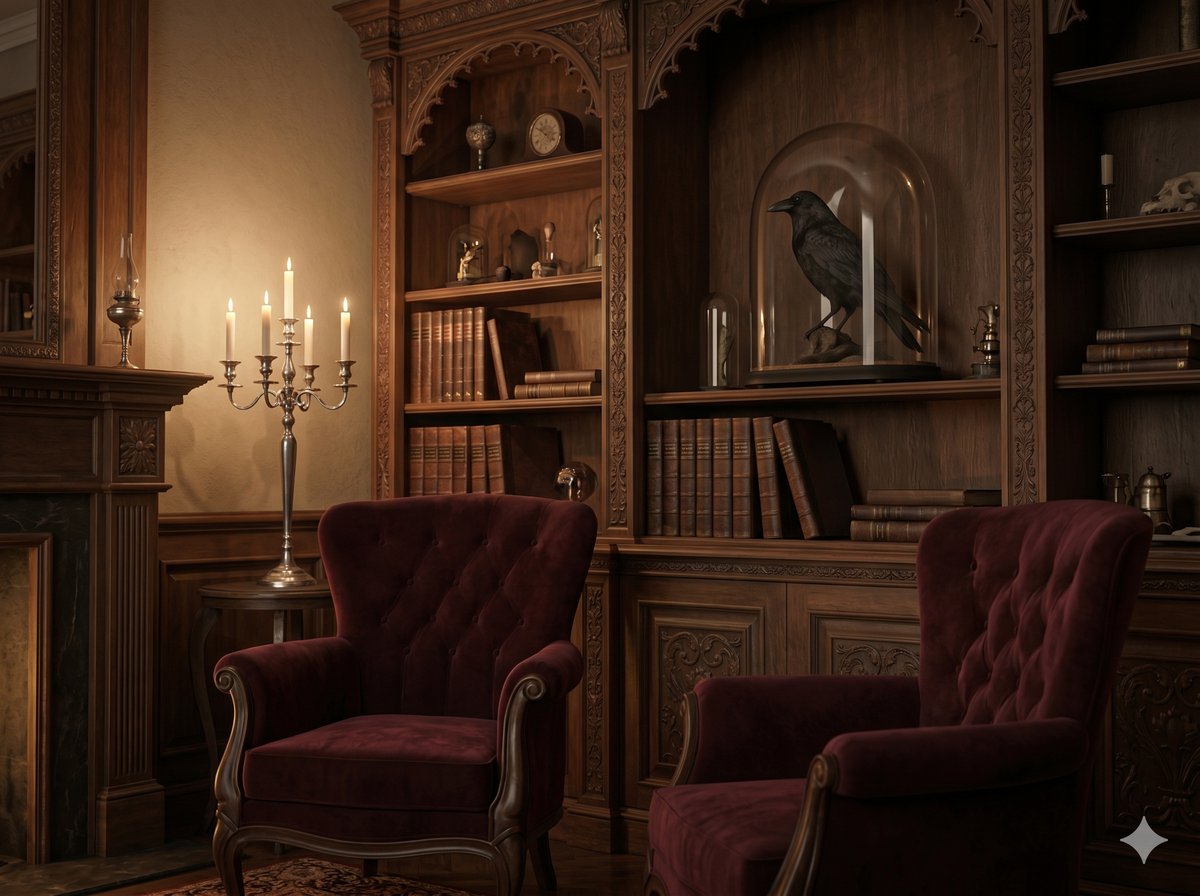
Those who require Ravenscroft find us. Those who do not require us need not concern themselves with our existence.
Lord Torwyn set the terms in 1887. They have not changed. They will not change. We find the arrangement clarifying.
Questions are natural. Answers, however, are not guaranteed. We have found that most families prefer it this way, in time.
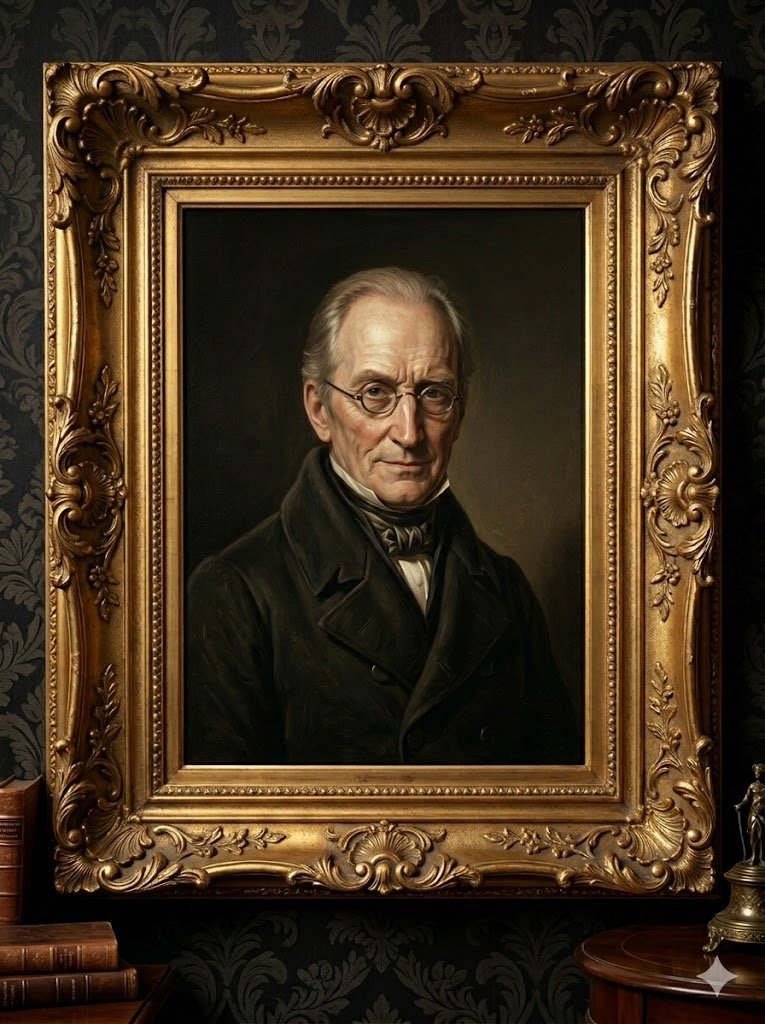
Lord Torwyn Ravenscroft
Founder · Est. 1887
Lord Torwyn Ravenscroft did not build this establishment for sentiment. He arrived in 1887 with a set of instruments, a ledger, and views on propriety that have governed this parlour without revision ever since. He did not advertise. He did not negotiate. He did not, as far as the records show, smile. Those who came to him in grief found someone utterly unmoved by it — which many, in retrospect, found more comforting than sympathy. He did not explain himself to the living. The others, he addressed directly. His only recorded public statement: “A family that arranges well, grieves well. The rest is theatre.”
Lord Torwyn was discovered expired upon a throne whilst visiting the Tower on a matter of client business in 1903 — a manner of passing, it was generally agreed, entirely befitting the man.
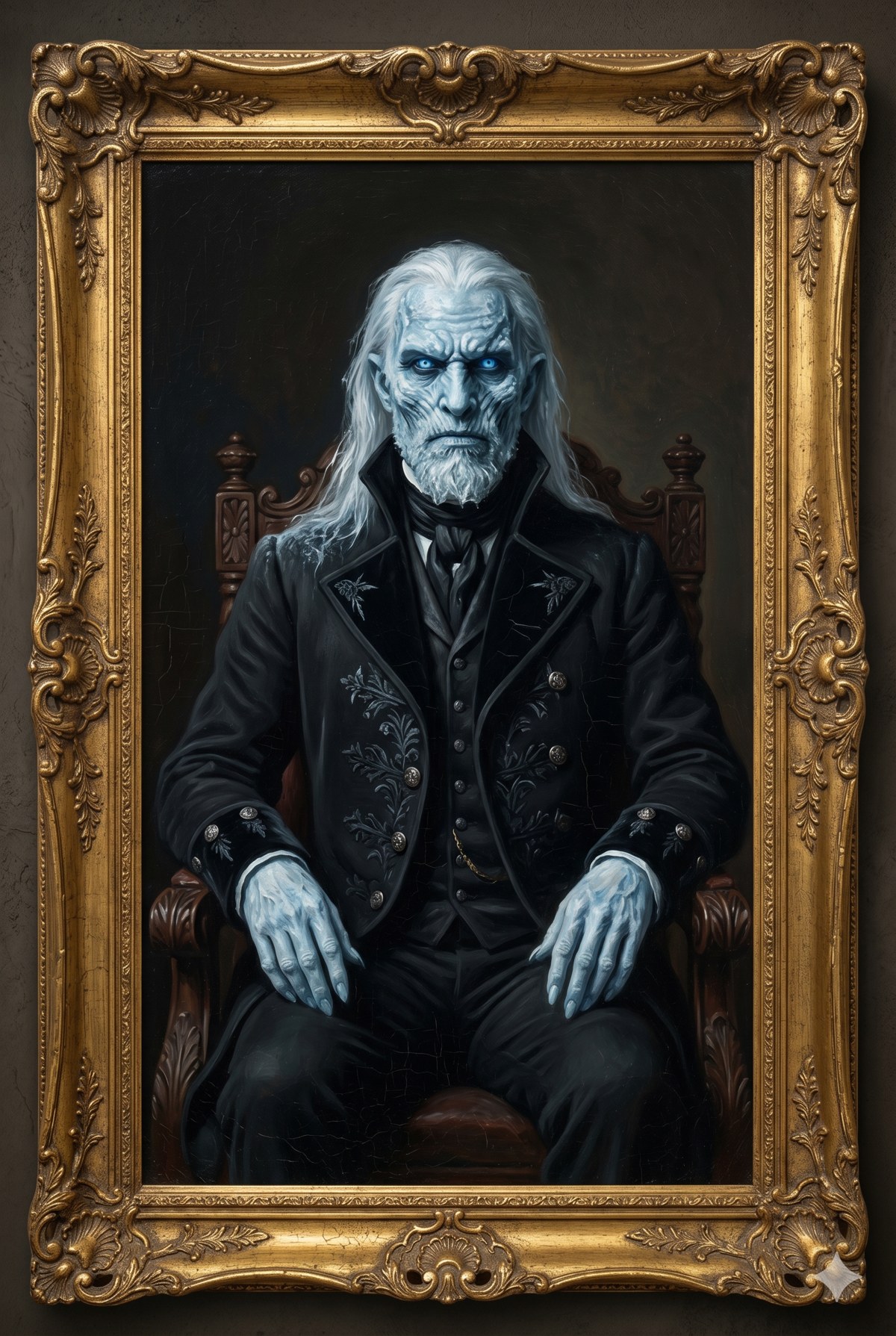
The Night’s Remembrancer
First Entry in the Ledger · Nature of Business: Undisclosed
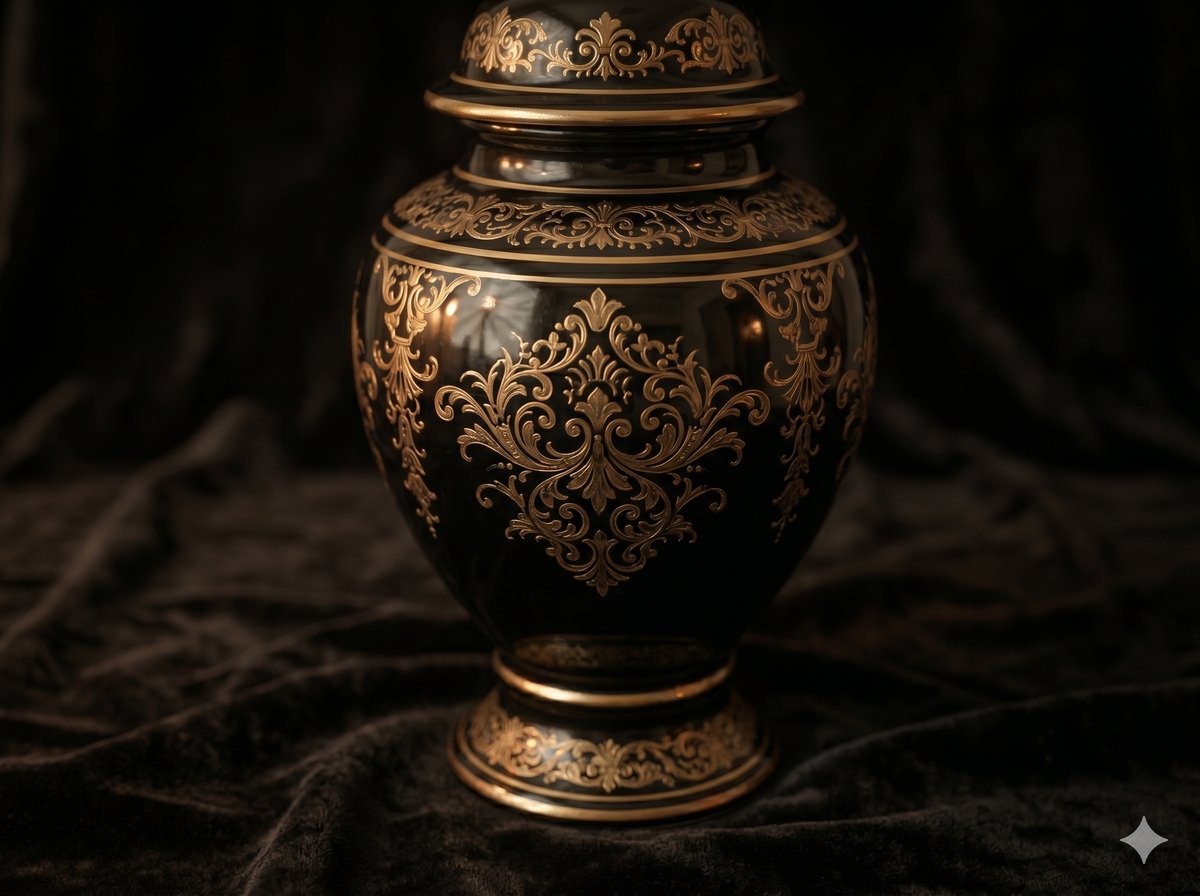
Lord Torwyn’s ledger opens with a single entry dated October 1887 — before the sign was hung. The name is partially obscured. The fee: “not monetary.” A notation beside it — in what his descendants have identified as High Valyrian — remains untranslated at the request of the current proprietors. The cremation is recorded on a sealed page marked “For Reference Only — Do Not Act Upon.” The box has occupied the same position in the east wing since 1887. It is the only box without a name. A blade of black onyx crowns the lid; it is rumoured to have been recovered from the cremation itself. Guests at Ravenscroft services occasionally report a pale, quiet figure near the sideboard, serving without being asked. Lord K.R. has said only that this is “within the terms of the original arrangement.”
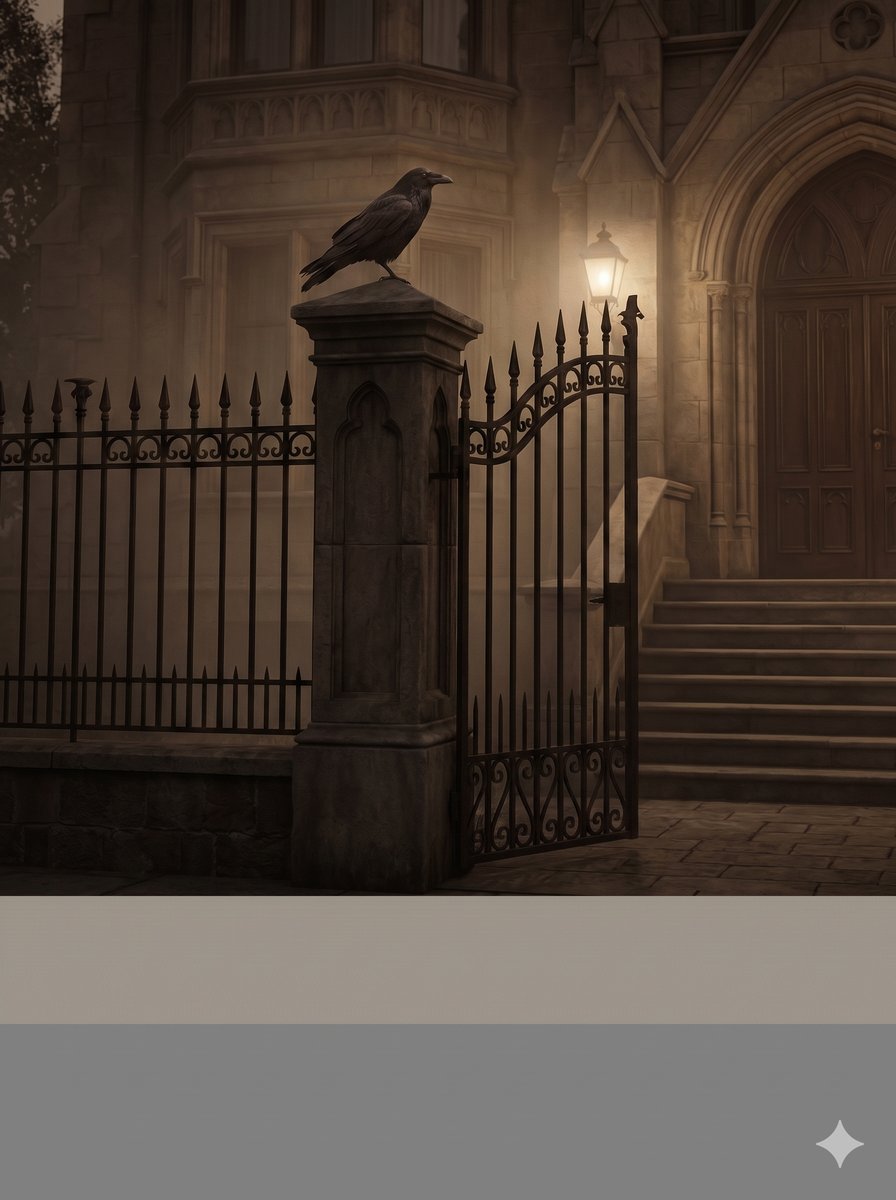
Lord Torwyn’s instruments and ledger were unpacked at 13 Kings Road in the autumn of 1887. He did not advertise, as a matter of principle. Within six months, Bend’s established undertakers had lost a third of their clientele — not through persuasion, but through the simple operation of superior standards delivered without comment or apology.
The establishment has since passed through four generations of Ravenscrofts, each inheriting Lord Torwyn’s conviction that grief is managed, not indulged. It survived two world wars, a fire in 1932 (the records were saved; the west wing was not), and the occasional peculiarity that accumulates when a family operates in the funerary arts across one hundred and thirty-eight years. Lord Torwyn’s original ledger — the same one he carried into Bend — remains in use. It has been rebound twice. The entries have never missed a date.
The parlour has never advertised. Bend is a small city. Those who require Ravenscroft eventually find their way to the black gate on Kings Road, as Lord Torwyn always said they would: by word of mouth, by referral, or by the particular and unavoidable logic of the funerary arts.
The Bend Courier · Special Report · August 2026
Renovation work uncovers a sealed chamber — and fifty-nine names long overdue for home.
Workmen engaged in the ongoing restoration of Ravenscroft Funeral Parlour’s lower east corridor made a startling discovery in the autumn of 2024 when a sledgehammer met what appeared to be solid wall — and found only air beyond.
Behind the false partition stood a room untouched for the better part of a century. Dust lay undisturbed upon the flagstones. A single gaslight fixture remained, unlit. And arranged in careful rows upon three wooden shelving units: fifty-nine boxes of cremated remains, each bearing a name — and a date.
Lady H.T. Bauer DeHaan Ravenscroft addressed the press from the parlour steps. “We are as astonished as anyone,” she stated. “These souls were in our care without our knowledge. We intend to remedy that.”
The ledger found beneath the shelving proved more forthcoming than expected — names, dates, and in several cases, surviving family lines traceable through county records. By methods the proprietors describe only as considerable effort and a great deal of correspondence, next of kin have been identified for all fifty-nine. The remains have been returned to their families.
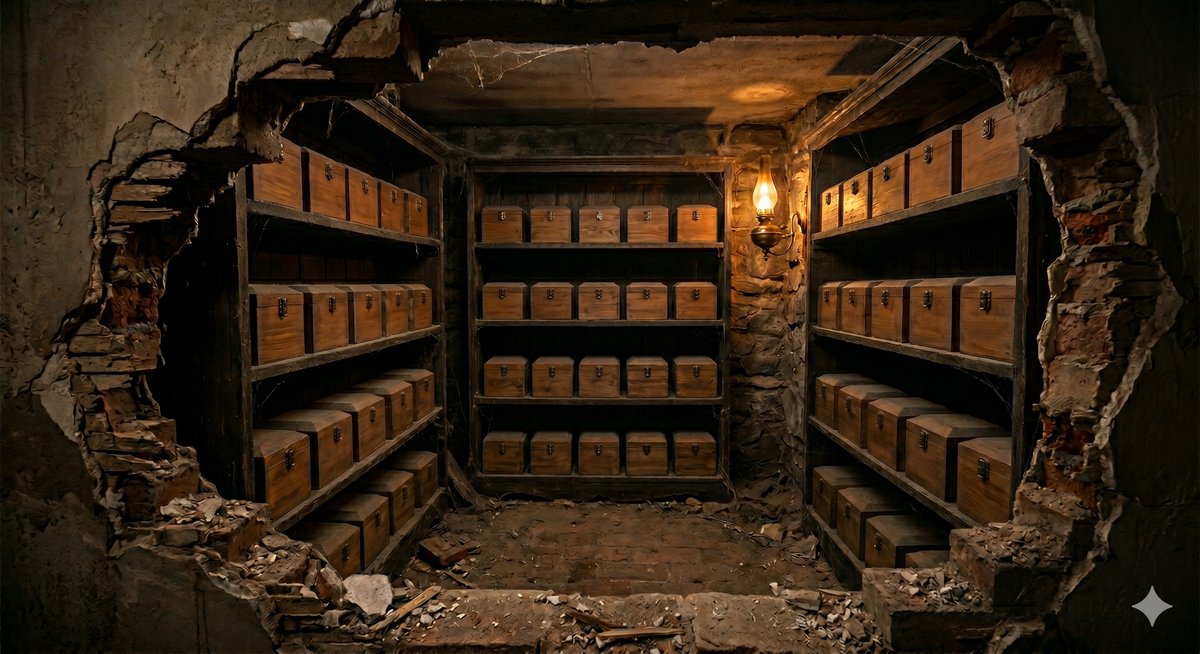
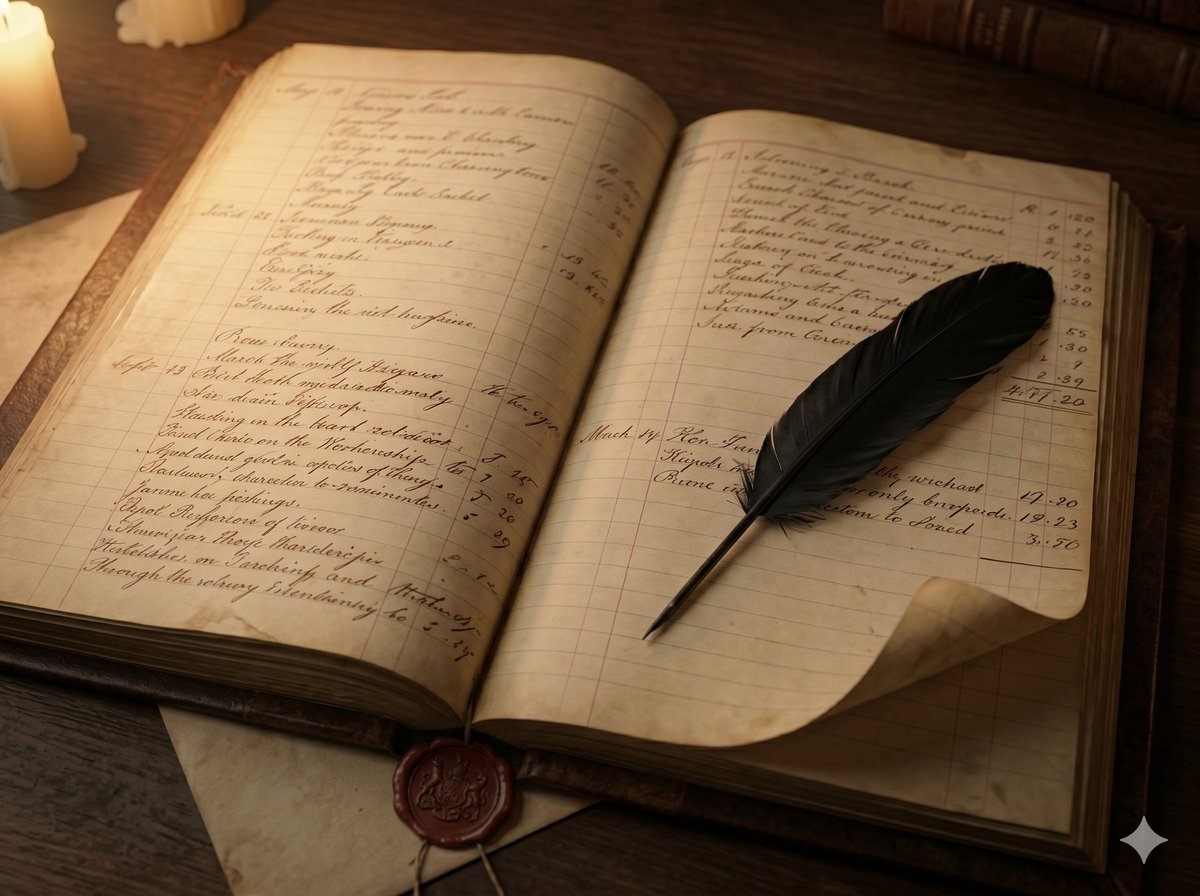
What followed the discovery was eighteen months of quiet, methodical work — cross-referencing the ledger against parish records, property deeds, and the kind of local knowledge that only accumulates across generations. The Ravenscrofts will not say precisely how every family was found. They say only that everyone has been found.
Fifty-nine boxes. Fifty-nine names. Fifty-nine families, each of whom received, in due course, what had been waiting for them rather longer than anyone would have wished.
The current proprietors have presided over the establishment with characteristic gravity, questionable decisions, and an impressive collection of ravens since assuming their respective roles.
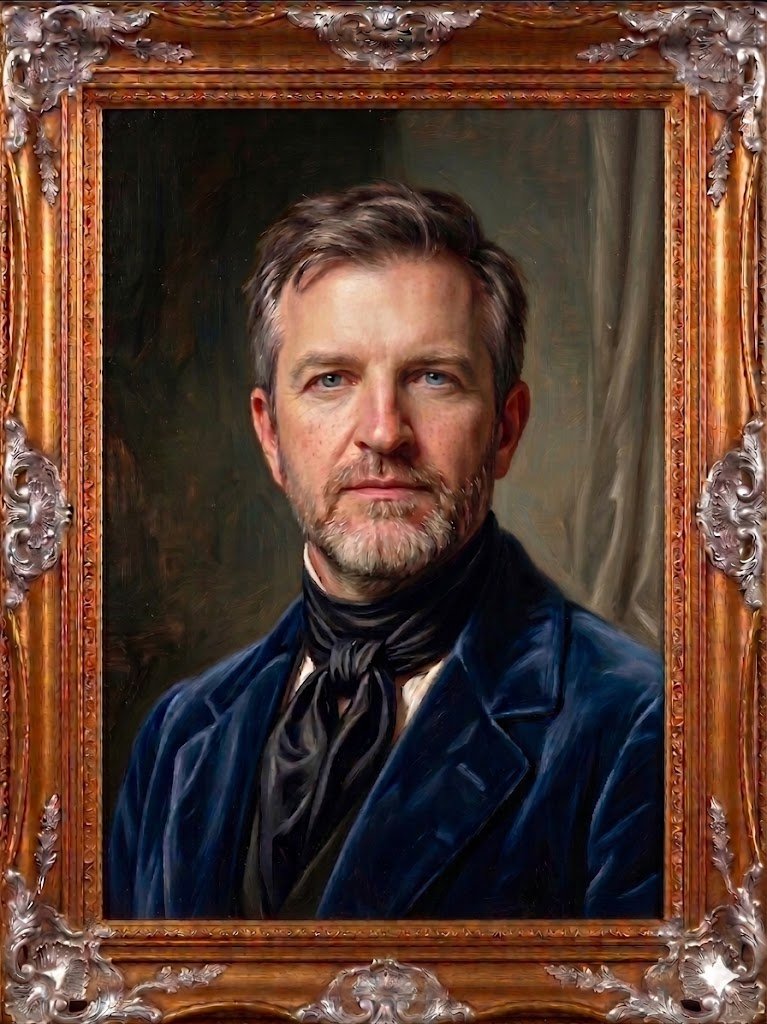
Lord K.R. Bauer DeHaan Ravenscroft III
Superintendent of Eternal Affairs
His Lordship is the third of his line to bear the Ravenscroft name, a fact he considers either a great honour or a significant warning, depending on the day. He manages the establishment’s affairs, the sideboard, and all matters requiring a firm hand and a steady pour.
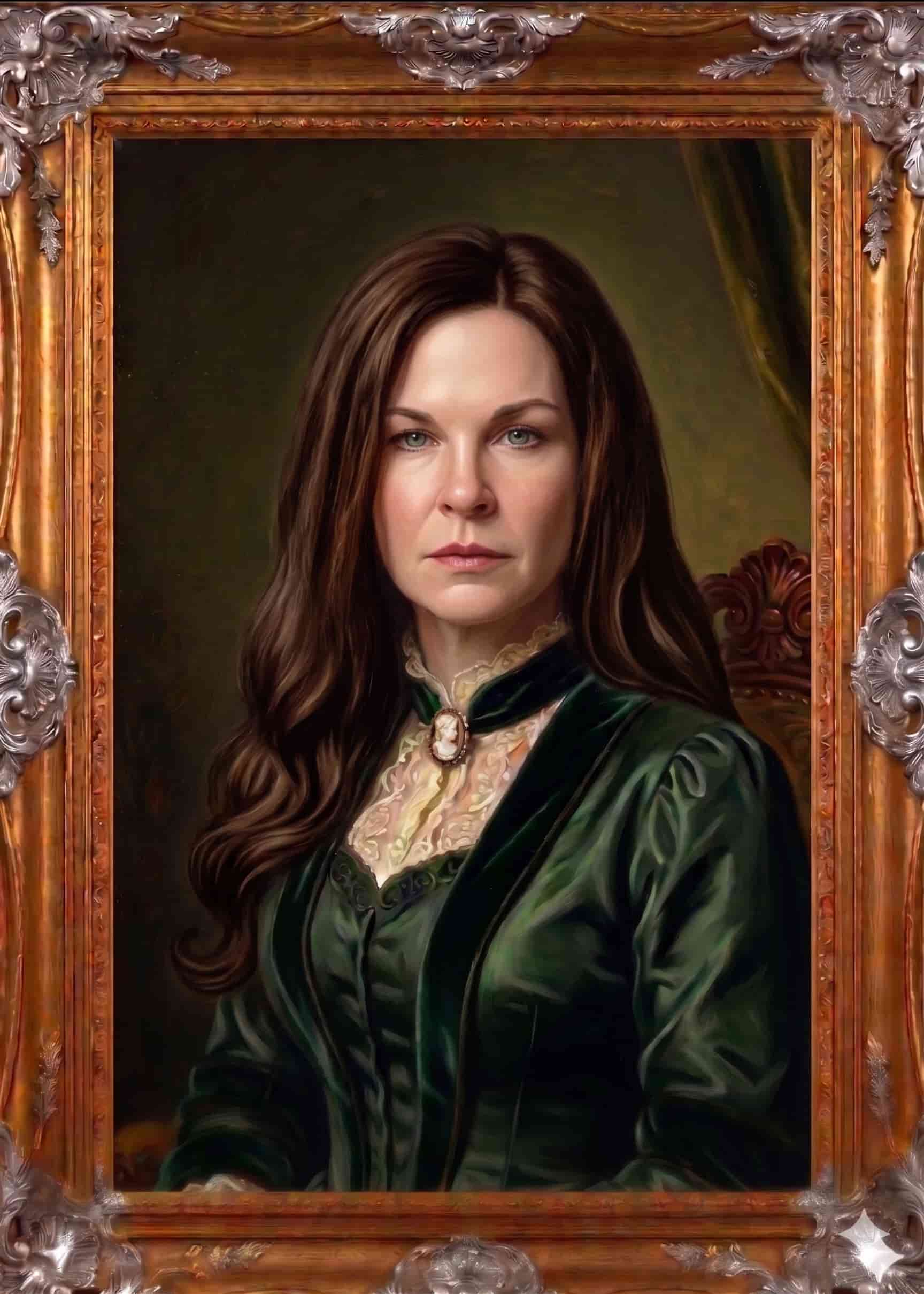
Lady H.T. Bauer DeHaan Ravenscroft
Directress of Remains
Her Ladyship oversees all matters pertaining to the departed, the nearly departed, and those who simply wish they were somewhere else. She is known for her exacting standards, her extensive wardrobe of mourning attire, and her absolute refusal to discuss the ledger.
Those wishing to engage the services of Ravenscroft are invited to present their enquiry below.
We respond by Raven within two business days. We do not respond on Tuesdays.
Your Enquiry Has Been Received
We have noted your interest and will be in touch in due course —
within two business days, and never on a Tuesday.
Should your matter prove urgent, we recommend presenting yourself at the black gate
on Kings Road between ten o’clock and four. Tuesdays excepted.
Consultations received Monday, Wednesday, Thursday & Friday
Between ten o’clock and four · Tuesdays excepted, without exception
13 Kings Road · Bend, Oregon
Ravenscroft · Bend, Oregon · Est. 1887
The Night’s Watch
The Oath
Night gathers, and now my watch begins.
It shall not end until my death.
I shall take no wife,
hold no lands,
father no children.
I shall wear no crowns
and win no glory.
I shall live and die at my post.
I am the sword in the darkness.
I am the watcher on the walls.
I am the shield that guards
the realms of men.
I pledge my life and honor
to the Night’s Watch,
for this night
and all the nights to come.
❧